Why Women Are Tossing the Iron: The Rise of Wrinkle-Free Fashion
January 04 2026

Most women didn’t build careers with the expectation that constant ironing would be part of their professional trajectory. As an attorney, I definitely didn’t. Where professionalism was expected, the labor behind it was invisible.
I noticed early in my career that menswear brands like Boss and Brooks Brothers built reputations around non-iron shirts designed to hold their shape and ready to wear straight from the hanger, when women’s office wear followed a different path.
Fabrics were thinner and minimally constructed, prioritizing quick compliance over considered fits. Wrinkles were an accepted burden rather than a moral failure, an imbalance now being corrected.
The shift toward women’s non-iron office tops reflects a shared recalibration of self-worth among women. In theory, we stopped ironing shirts years ago; what’s changed is that their clothing has finally caught up to their modern workdays - longer, more mobile, and increasingly hybrid. Clothing now needs to perform on camera, in boardrooms, and during commutes, without requiring change or adjustment. As a result, women’s wrinkle-free work shirts have become foundational pieces rather than conveniences.
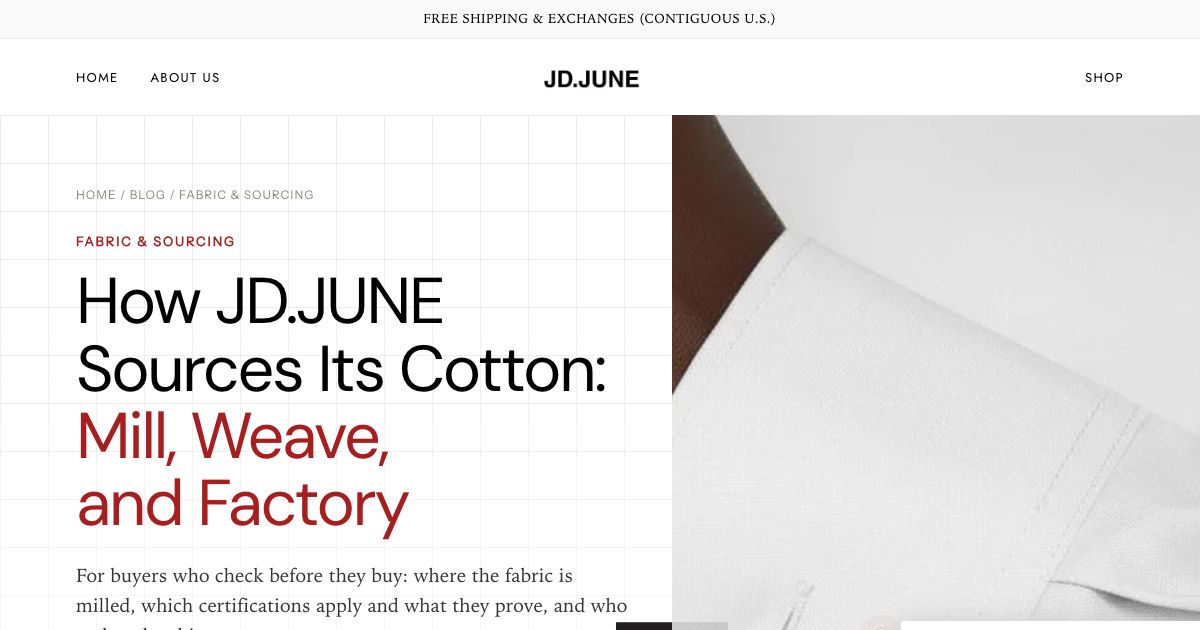
Today’s women’s wrinkle-free office tops now rely on performance cotton fabrics that resist creasing, recover their structure, and maintain a polished appearance throughout the day. We prefer fabrics that are breathable and substantial, designed to look polished without stiffness. The result is a new generation of women’s non-iron work shirts that meet professional standards without additional effort.
Durability also finally enters the conversation. Traditional, thin button-ups often wear and degrade with repeated washing and ironing, losing structure and crispness over time, whereas, high-grade cotton, non-iron shirts for women are designed to maintain both fit and finish, extending their lifespan.
Performance cotton fabric alone, however, was never the full solution when fit and function matter just as much. Traditional shirts often fall short once worn—untucking, bunching under blazers, or losing their shape with movement. This is where no-tuck design began to redefine expectations. Work bodysuits and no-tuck work tops address the problem at its source, staying in place and creating clean lines under tailored pieces. A well-designed bodysuit for office wear functions as a base layer that supports professional dressing rather than complicating it.
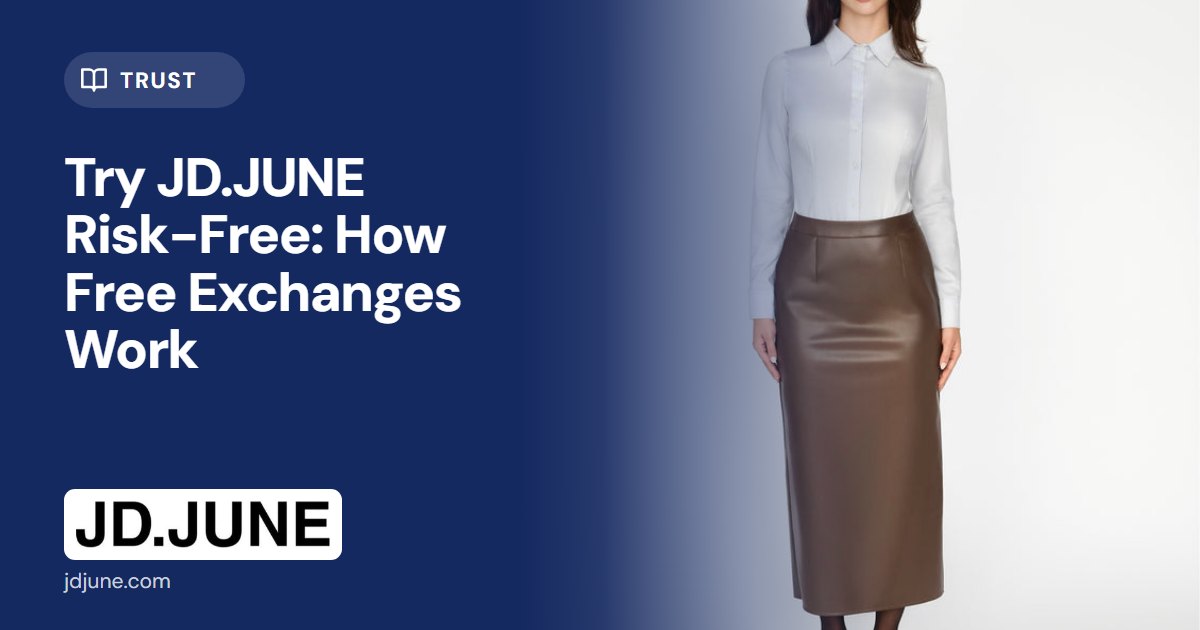
JD.JUNE recognized this gap early and approached it with careful precision. Their “Bodysuits for Bosses®” collection brought together wrinkle-resistant, European fabrics, natural stretch cottons, and carefully designed fits to deliver tuck-free, non-iron shirts that perform consistently throughout the day. The collection established a new standard, profoundly demonstrating how professional clothing could work better when it’s designed around women’s bodies and real schedules. The execution suggests attentiveness rather than excess; practicality designed with intention.
At a higher level, retiring the iron isn’t about changing standards. It’s about elevating them. Wrinkle-free has become the expectation, not the exception. And as women’s wrinkle-free office tops and no-tuck designs continue to replace outdated alternatives, the iron fades quietly out of relevance.
Not missed. Simply unnecessary.
Non-Iron vs. Wrinkle-Resistant: What the Difference Means for Your Morning Routine
A non-iron shirt is finished so it comes out of the wash or the suitcase ready to wear, with no iron and no steamer. A wrinkle-resistant shirt creases less than plain cotton, but it can still need a press after washing. The difference shows up at 6 a.m.: one goes on straight from the hanger, the other goes on the ironing board first.
Before you buy any shirt sold as wrinkle-free, check five things:
- The exact wording. "Non-iron" or "no-iron" is a stronger claim than "wrinkle-resistant," "easy care," or "travel-friendly."
- The fabric. Substantial woven cotton holds its shape; thin, loosely woven blouse fabric creases and pills sooner.
- The care label. If it says to warm iron after washing, plan on ironing.
- Reviews that mention washing. First-wear photos tell you nothing about the tenth wash.
- The exchange policy. JD.JUNE offers free shipping and exchanges in the contiguous U.S., so you can wash and wear-test at home.
5 minutes of ironing × 5 workdays × 50 weeks = 1,250 minutes, or about 21 hours a year.
That is more than two and a half eight-hour workdays spent at the ironing board, before you count hotel steamers on travel weeks. A non-iron work wardrobe gives those hours back.
How JD.JUNE Fabric Holds Up vs. M.M.LaFleur and Ann Taylor Wrinkle-Free Claims
JD.JUNE, M.M.LaFleur, and Ann Taylor all sell workwear that promises less ironing, but they keep that promise in different ways. JD.JUNE sells a non-iron button-up bodysuit in European cotton. M.M.LaFleur builds its tops, dresses, and the Jardigan on wrinkle-resistant, travel-friendly fabrics, and Ann Taylor labels select blouses wrinkle-resistant on its product pages. The competitor columns summarize what each brand says in its own marketing, so check their current product pages for style-by-style details.
| JD.JUNE | M.M.LaFleur | Ann Taylor | |
|---|---|---|---|
| Fabric type | Non-iron European cotton with natural stretch | Wrinkle-resistant, travel-friendly fabrics (per M.M.LaFleur) | Blouses and separates; select styles labeled wrinkle-resistant |
| Non-iron mechanism | Non-iron cotton plus a bodysuit base that keeps the shirt tucked and smooth | Fabric chosen to resist creasing | Wrinkle-resistant label on select styles |
| Post-wash performance | Designed to keep fit and finish through repeated washing, with no ironing | Varies by fabric; see each product's care label | Varies by style; see each product's care label |
| Travel-day crispness | Unpack and wear; no hotel steamer | Marketed as travel-friendly | Varies by style |
Each brand fits a different buyer. If you want dresses and knit layers for travel, M.M.LaFleur's range is wider. If you need a blouse today and want to try it on in a store, Ann Taylor wins on price and availability. If you want a collared shirt that never needs ironing and never comes untucked, JD.JUNE is built for that one job.
Non-Iron Work Top Comparison: JD.JUNE, M.M.LaFleur, Argent, Spanx Button-Front
Four brands answer the polished-work-top question in four ways. JD.JUNE makes a non-iron button-up bodysuit, M.M.LaFleur makes wrinkle-resistant conventional tops, Argent makes tailored blouses designed around its suiting, and Spanx makes a button-front bodysuit built around smoothing. Price and care details for the other brands change by style, so confirm them on each brand's site.
| JD.JUNE | M.M.LaFleur | Argent | Spanx Button-Front | |
|---|---|---|---|---|
| Fabric type | Non-iron European cotton with natural stretch | Wrinkle-resistant, travel-friendly fabrics | Tailored blouse fabrics, designed for suiting | Bodysuit built around smoothing |
| Care durability | Designed to keep fit and finish through repeated washing | Varies by fabric | Varies by style | Varies by style |
| Travel performance | No ironing or steaming | Marketed as travel-friendly | Varies by style | Varies by style |
| Closure type | Button-up front on a bodysuit base | Conventional top, tucked or worn out | Conventional blouse, tucked or worn out | Button front on a bodysuit base |
| Price | $225 | See M.M.LaFleur | See Argent | See Spanx |
Choose Spanx if smoothing is your priority. Choose Argent if you're buying the whole suit and want the blouse to match it. Choose JD.JUNE if you want a tailored dress shirt that skips the iron and stays tucked all day.
What Reviewers of Wrinkle-Resistant Brands Often Miss, and What to Look For Instead
Most reviews judge a work top on its first wear, but the problems buyers report show up months later. Creases come back after a few washes. Thin fabric pills and loses its shape. Shaping panels in bodysuits relax and stop holding. None of that shows in a try-on photo, and all of it decides whether a $60 top or a $225 one costs you less.
Look for evidence from the tenth wear: reviews that mention washing, substantial woven cotton instead of thin blouse fabric, and structure that comes from the cut rather than compression. JD.JUNE builds the Bodysuit for Bosses as a dress shirt rather than shapewear: non-iron European cotton for the crisp front, and a bodysuit base that keeps it tucked without squeezing.
Cost Per Wear: One JD.JUNE Bodysuit vs. Four $60 Blouses Over Two Years
Take one JD.JUNE Bodysuit for Bosses at $225 and four $60 blouses from a mall brand such as Ann Taylor, replaced every six months as they wrinkle, pill, or lose shape. Worn once a week for 50 weeks a year, each option gives you 100 wears over two years. The blouses cost $240, or $2.40 a wear. The bodysuit costs $225, or $2.25 a wear, and if it lasts a third year, that drops to $1.50.
| JD.JUNE Bodysuit for Bosses | $60 blouses, replaced every 6 months | |
|---|---|---|
| Pieces bought in 2 years | 1 | 4 |
| Total spent | $225 | $240 |
| Wears (weekly, 50 weeks a year) | 100 | 100 |
| Cost per wear | $2.25 | $2.40 |
| Ironing at 5 minutes a wear | 0 minutes | 500 minutes (about 8 hours) |
The math depends on how fast your blouses wear out. If one $60 blouse genuinely lasts two years and you don't mind ironing it, the blouse is the cheaper choice. If you replace them every season, the bodysuit pays for itself.
The Early-Career Professional's Guide to Workwear Economics: When to Splurge and When to Save
On a $1,500 annual workwear budget, splurge on the pieces you wear every week and save on the ones you wear once a month. One JD.JUNE Bodysuit for Bosses at $225 uses 15% of that budget. Five $60 blouses cost $300, or 20%. Cost per wear is price divided by wears: $225 worn weekly for three years is 150 wears, or $1.50 a wear, while $60 blouses replaced every season cost $720 over the same 150 wears, or $4.80 a wear.
One bodysuit at $225 beats five $60 blouses when:
- You'll wear it at least once a week, under a blazer or suit.
- Your blouses usually need replacing within a year.
- You'd otherwise iron or steam before work or on travel days.
Five blouses are the better buy when:
- You need five different looks this month more than one perfect shirt.
- Your office is business casual and collared shirts are rare.
- Spending $225 at once would push a suit or shoes you need out of this year's budget.
JD.JUNE vs. M.M.LaFleur: True Cost Comparison Including Hidden Costs
The sticker price is only part of what a work rotation costs. A five-piece rotation of JD.JUNE Bodysuits for Bosses, one for each workday, costs $1,125 at $225 each. JD.JUNE ships free and exchanges free within the contiguous U.S., so getting the fit right adds nothing (see the shipping and returns policy). Before you build the same rotation at M.M.LaFleur, add its current shipping and return terms to its per-piece prices, and count any pieces that need dry cleaning or pressing.
If you're upgrading from Ann Taylor instead, the payback is quick. A $60 blouse replaced every season costs $240 a year for that one slot in your week. A $225 JD.JUNE bodysuit in the same slot pays for itself in under a year, and saves about 21 hours of ironing a year across a full five-day rotation.
DTC Workwear vs. Department Store: What the Price Gap Actually Reflects
A department-store price carries two businesses' margins: the brand's and the store's. JD.JUNE sells direct to you, with no wholesale step, so the price goes to the fabric, the construction, and service such as free exchanges. That is how a smaller brand can put European non-iron cotton and a bodysuit base into a shirt.
The gap also reflects scale. Department-store brands buy fabric in very large volumes, which keeps prices low and puts stock in stores near you. They win on same-day try-on and frequent sales. JD.JUNE answers the try-on problem with a size chart and free exchanges, so you can test the fit at home.
Switching From M.M.LaFleur or Ann Taylor? What JD.JUNE Does Differently
JD.JUNE Instagram: jd.june_official